
 English
 русский
 Español
 عربى
عربى

استشارة المنتج
لن يتم نشر عنوان بريدك الإلكتروني. يتم وضع علامة على الحقول المطلوبة *
قادمة من الصين ، والتسويق إلى العالم.
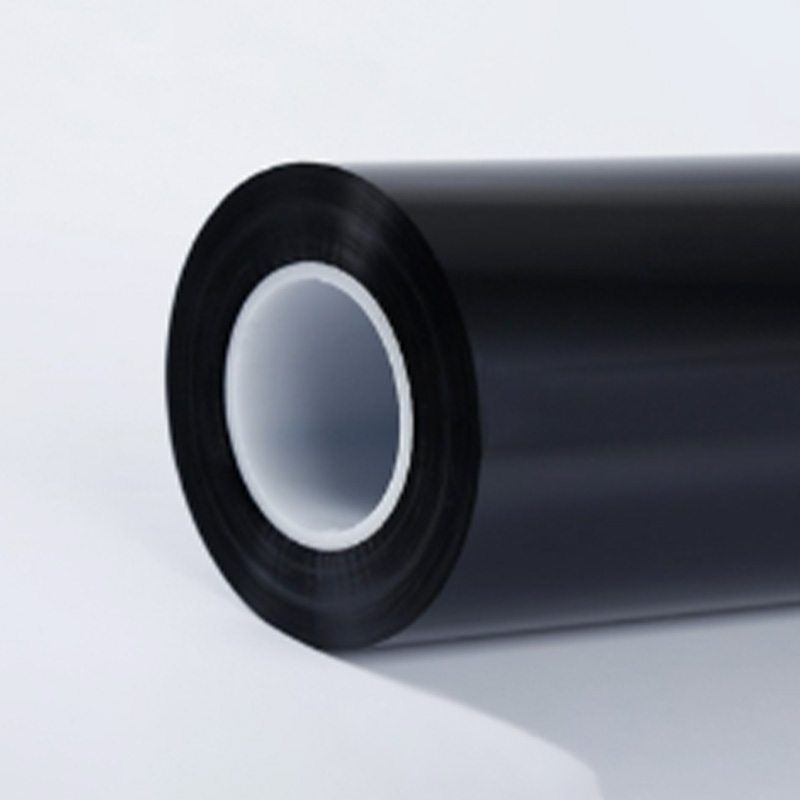
A label that survives the production line but fails on the finished product is not a label — it is a liability. For manufacturers operating laser engraving processes in high-temperature environments, the difference between a standard label material and a genuinely heat resistant one can determine whether identification remains legible after months of field use or disappears within the first thermal cycle. Choosing correctly requires understanding what heat resistance actually means at the material level — not just a temperature claim on a datasheet.
محتوى
Heat resistance in a laser label material is not a single property — it is the combined performance of three distinct layers, each with its own thermal threshold. A material is only as heat resistant as its weakest component.
The substrate determines the upper bound. It must maintain dimensional stability — no warping, shrinking, or delaminating — throughout the operating temperature range. Standard paper substrates begin to degrade above 80°C; engineered polymer films push that boundary significantly higher. The adhesive is the second critical factor. Pressure-sensitive adhesives formulated for general use typically soften and lose cohesion above 100–120°C, causing labels to migrate or detach from surfaces under sustained heat exposure. High-temperature adhesive formulations use acrylic or silicone chemistries that maintain peel strength at 150°C and beyond. The surface coating — the layer that receives laser-engraved content — must retain its contrast and legibility after thermal cycling. If the coating delamينates or discolors under heat, the engraved text or barcode becomes unreadable regardless of how precisely it was originally marked.
Labels marketed as "heat resistant" without specifying which layer has been upgraded are a common source of field failures. Genuine heat resistant laser label materials engineer all three layers for thermal stability, not just the most visible one.
Substrate selection is the first decision in specifying a heat resistant laser label material, and the right choice depends on the operating temperature range, surface type, and whether the label must also handle chemical exposure or mechanical abrasion.
| Substrate | Continuous Heat Resistance | Key Advantages | Typical Applications |
|---|---|---|---|
| White/Silver PET (Polyester) | Up to 150°C | Excellent surface finish, smooth laser engraving, cost-effective | Electronic component labels, industrial ID plates, product branding |
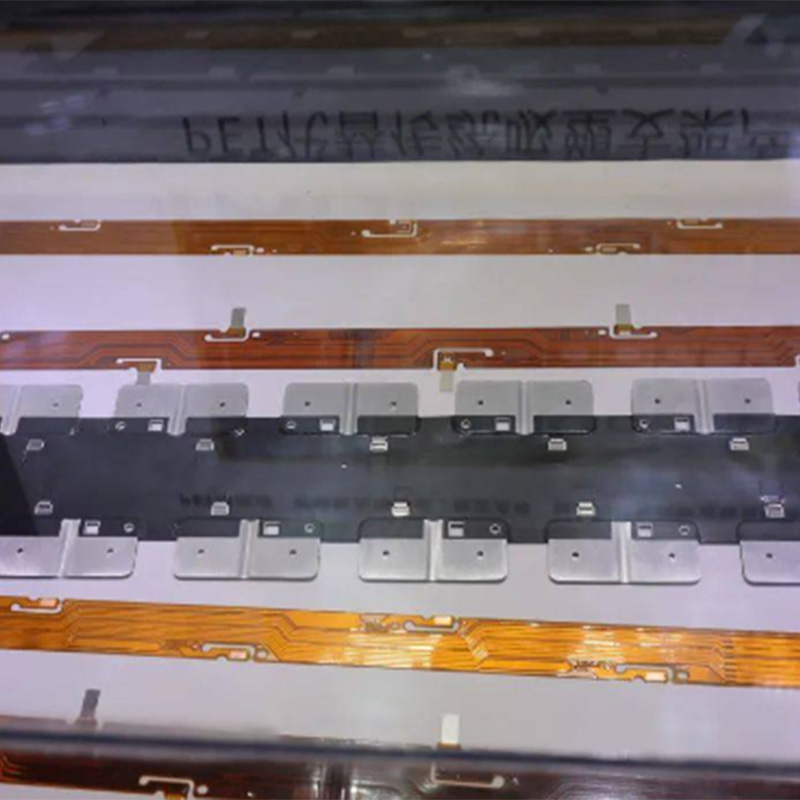
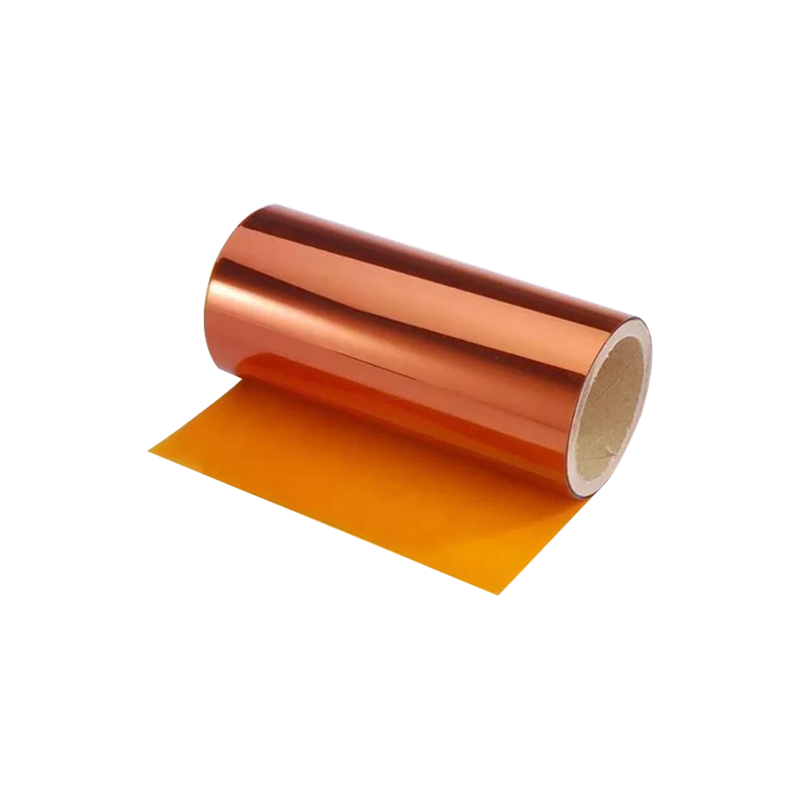
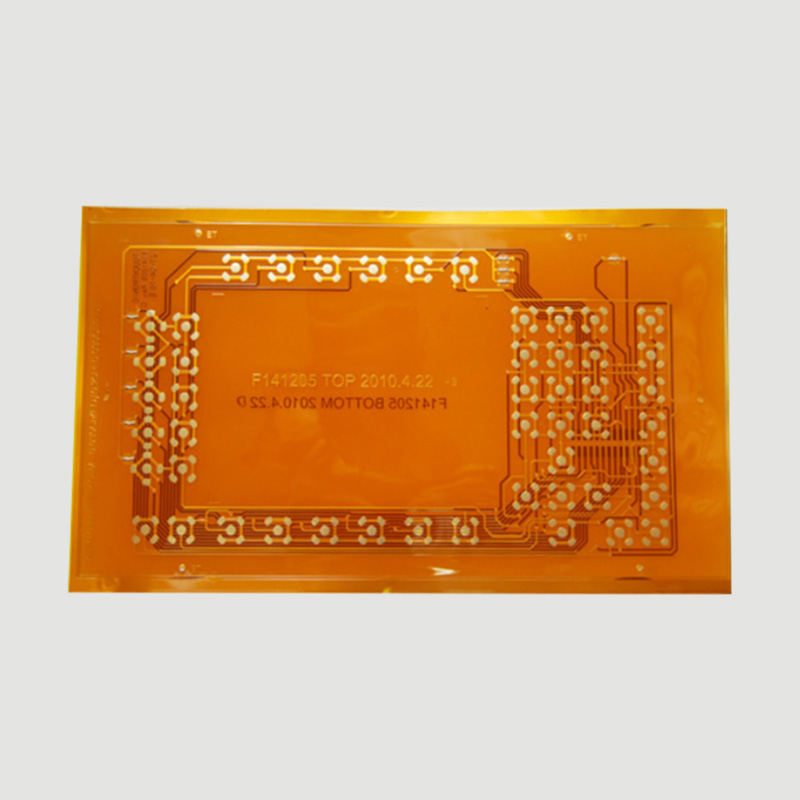
| Polyimide (PI) Film | Up to 260°C+ | Exceptional thermal stability, flame retardant, dimensionally stable | PCB labeling, SMT reflow processes, aerospace components |
| High-Temp Thermoplastic | Up to 200°C | Flexible, good chemical resistance, autoclave-compatible | Medical device labeling, sterilization trays, laboratory equipment |
| Aluminum Foil Composite | Up to 300°C+ | Metallic barrier, extreme heat shielding, moisture resistance | Engine components, industrial equipment, high-heat manufacturing |
For the majority of industrial identification and electronics applications, PET-based substrates in the 100–150°C range represent the practical sweet spot — they offer smooth surfaces ideal for laser engraving fine text and barcodes, accept anodizing-quality finishes, and are cost-effective at production volumes. Polyimide becomes necessary when labels must survive solder reflow ovens or prolonged exposure above 200°C, but its higher cost makes it a targeted specification rather than a default choice.
One specification detail frequently overlooked is the distinction between peak and continuous temperature resistance. A substrate rated to 200°C peak may only withstand 130°C continuously without adhesive failure. Always verify both values against the actual thermal profile of your application before committing to a material specification.
In real-world industrial environments, labels rarely face heat in isolation. A laser-engraved label on a machine component may be exposed to cutting fluids, cleaning solvents, or lubricating oils within the same operating cycle that generates elevated temperatures. A label that survives the heat but dissolves on contact with isopropanol has failed the application just as completely.
This is why specifying a heat resistant laser label material for industrial or electronic use requires evaluating three performance axes simultaneously: thermal stability, chemical corrosion resistance, and surface wear resistance. The combination of all three — not any single property — defines whether a label remains legible and adhered throughout the product's service life.
Chemical resistance in laser label materials is primarily a function of the surface coating and adhesive formulation. Acrylic-based coatings resist common industrial solvents including alcohols and ketones. Silicone adhesives offer broader chemical inertness but require specific surface preparation for proper adhesion. For applications involving exposure to acids, alkalis, or aggressive cleaning agents, specifying a film with a chemically cross-linked topcoat adds a critical layer of protection that heat resistance alone cannot provide.
Wear resistance matters for labels placed on frequently handled components — connectors, panels, and control surfaces where repeated contact degrades label readability over time. Washable laser film engineered for durable surface marking addresses exactly this combination: a surface tough enough to withstand repeated cleaning cycles without sacrificing the precision of laser-engraved content.
Three application categories consistently push standard label materials to their limits — and where heat resistant laser label materials justify the specification upgrade.
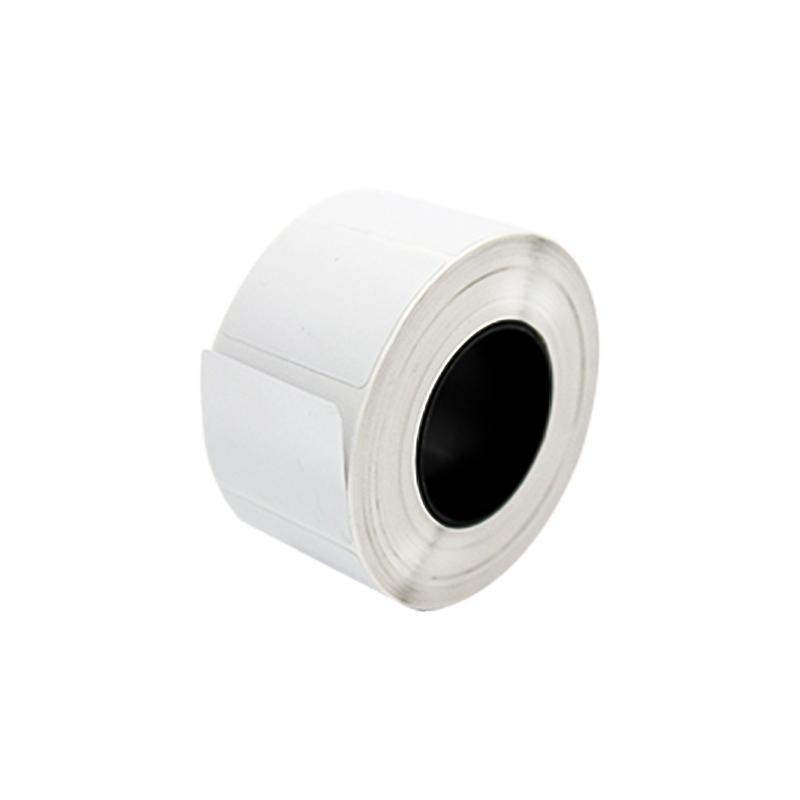
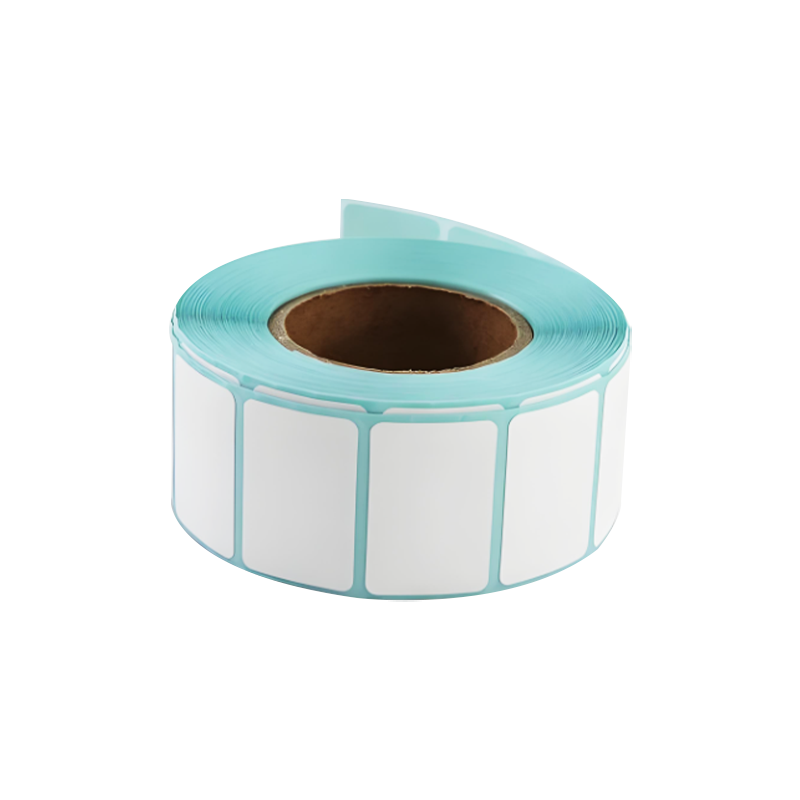
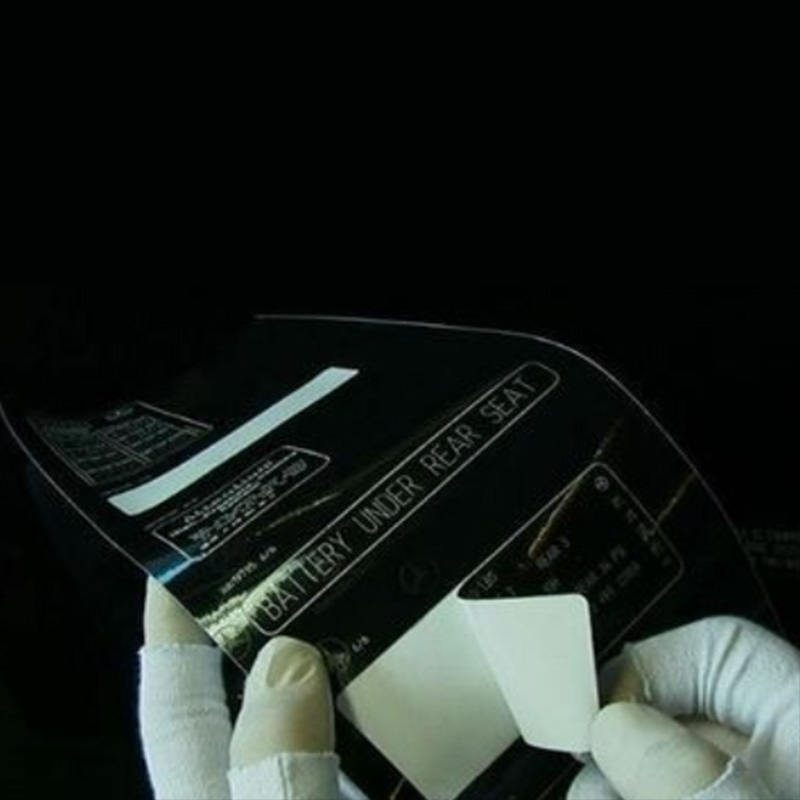
Industrial equipment and machinery identification demands labels that remain legible on components exposed to heat from motors, drives, and hydraulic systems. Asset tags, serial number plates, and safety instruction labels on industrial equipment face ambient temperatures that fluctuate across a 50–130°C range depending on operating load and proximity to heat sources. A label that deforms or loses adhesion mid-cycle creates traceability gaps and, in safety-critical contexts, genuine risk. Laser-engravable film designed for high-precision industrial and electronic labeling provides the smooth substrate and stable adhesive system required for permanent identification in these conditions.
Electronic component labeling is the most thermally demanding standard application outside of aerospace. PCB-mounted labels must survive SMT reflow temperatures — typically 230–260°C peak — without delaminating, shrinking, or obscuring the marks beneath them. Beyond the reflow process itself, labels on power electronics and motor drive components face continuous operating temperatures well above what general-purpose materials can sustain. Precision of laser engraving is equally critical here: barcodes and QR codes on components must scan reliably throughout the product lifetime, which means zero degradation of the engraved surface.
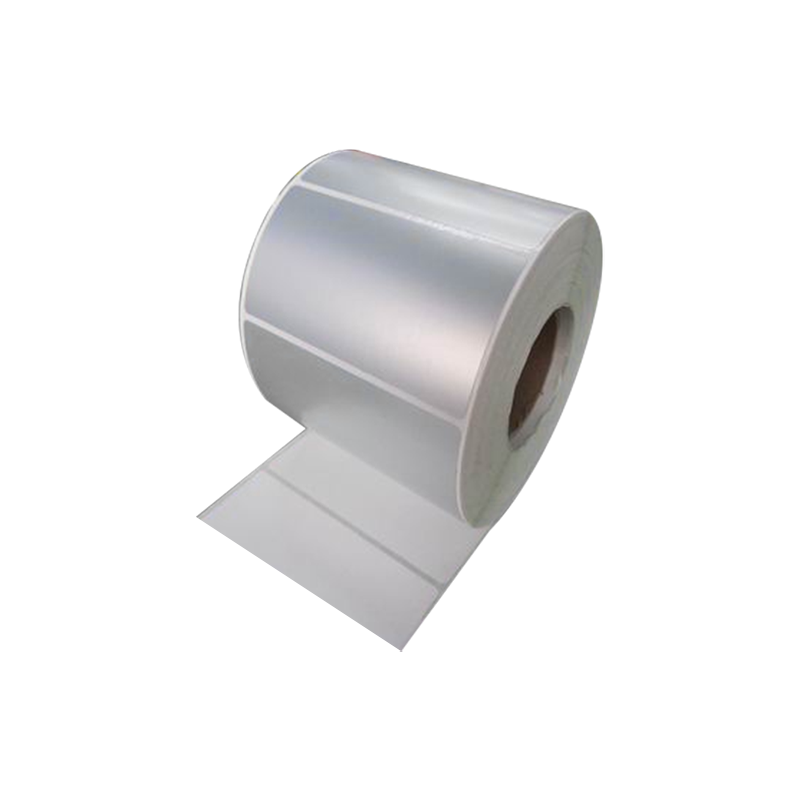
Premium product and brand security labeling represents a growing third category. High-value electronics, precision instruments, and brand-sensitive consumer products require labels that combine visual quality with durability — labels that look premium on day one and remain intact after years of use. Color-shifting matte silver PET film for premium anti-counterfeit labels addresses this intersection of security and aesthetics, delivering a material platform where laser engraving precision and surface integrity reinforce each other.
Sourcing a heat resistant laser label material without a clear specification framework leads to either over-engineering (unnecessary cost) or under-specification (field failures). The following evaluation criteria apply across industrial and electronic applications.
Matching these parameters to your application before sourcing — rather than after a field failure — is the most reliable path to a label specification that holds up. Specialty label materials and functional films for industrial applications span a wide performance range; working with a manufacturer that can align material properties to your specific operating conditions delivers better outcomes than selecting from a standard catalog alone.
مصانع الالياف الزجاجية: حصاد والمواصفات الصناعية

دليل الأفلام اللاصقة المذوبة بالحرارة: الأنواع والتطبيقات وكيف تعمل
لن يتم نشر عنوان بريدك الإلكتروني. يتم وضع علامة على الحقول المطلوبة *
 مصنعو مواد الملصقات ذاتية اللصق*