
 English
 русский
 Español
 عربى
عربى

استشارة المنتج
لن يتم نشر عنوان بريدك الإلكتروني. يتم وضع علامة على الحقول المطلوبة *

قادمة من الصين ، والتسويق إلى العالم.
When you evaluate blown thermoplastic polyurethane (TPU) film for an air bladder, a protective cover, or a waterproof layer, the first samples can be misleading. Suppliers quote the same shore hardness and similar thickness, yet the rolls behave very differently in die cutting, heat sealing, and long-term flexing. The reason is not the polymer itself; it is the blowing process.
Bottom line: Blown TPU film delivers a good balance of mechanical properties and lower cost at medium thicknesses, but it lags cast film in optical clarity and thickness uniformity. Choosing a reliable partner matters more than chasing the cheapest roll.
محتوى
Blown TPU film production begins with dried thermoplastic polyurethane pellets. The resin is melted in an extruder and forced through a circular die; compressed air inflates the tube into a bubble while an air ring cools it. The collapsed film is then nipped and wound into rolls. This biaxial orientation is what sets blown film apart from cast film.
Typical melt temperatures range from 170°C to 220°C depending on hardness. The resin must be dried below 0.02% moisture before extrusion to avoid hydrolysis-induced bubbles.
Blow-up ratio, usually 2:1 to 3.5:1, determines how much transverse orientation the film receives. Higher ratios improve TD tear and elongation but can reduce thickness consistency.
Cooling line height affects crystal structure and optical properties. Faster cooling improves clarity but can create internal stress; slower cooling yields a more stable film.
On a molecular level, TPU films inherit their elasticity from alternating hard and soft segments. The hard segments, formed by diisocyanates and chain extenders, provide strength and thermal resistance; the polyol soft segments provide flexibility and low-temperature performance.
Choosing between blown and cast TPU film is a question of process economics and performance balance. The following summary is based on typical commercial grade materials.
If your application requires film under 0.05 mm with high transparency, cast film is usually the safer choice. For thicker, cost-sensitive industrial parts, blown film gives you more material volume per dollar.
Datasheets rarely tell you how a film will behave after months of storage or repeated flexing. Three hidden indicators matter most with blown TPU films: elongation balance, thickness uniformity, and hydrolysis resistance.
Elongation at break (typical values)
Blown film's lower MD/TD difference is an advantage when a component is stretched in multiple directions, such as a protective boot or a flexible container. Cast film's MD superiority helps in processes where the film is pulled in one direction only.
Thickness uniformity is another hidden cost. In blown film, a variation of ±5% is common; at 0.15 mm that means spots down to 0.14 mm, which can weaken heat seals. Ask your supplier for a thickness profile across the web, not just an average. Also confirm hydrolysis resistance by an accelerated ageing test if the film will touch moisture for long periods.
Blown TPU film is a workhorse for applications that need elasticity, puncture resistance, and waterproofness without optical-grade clarity. The market split below reflects typical consumption in industrial, sports, and medical segments.
The largest consumer area remains footwear—air cushion bladders are inflated at low pressure and must hold air over thousands of flex cycles. Waterproof clothing layers use 15-30 microns blown films that remain breathable when laminated to textile. Medical packaging and defense equipment often require a flame-retardant or hydrolysis-resistant grade.
For battery modules, a blown TPU film alone usually cannot meet the combination of compression, flame resistance, and high-temperature tolerance found in cell protection. In those applications, manufacturers commonly switch to an aerogel-based flame-retardant packaging film.
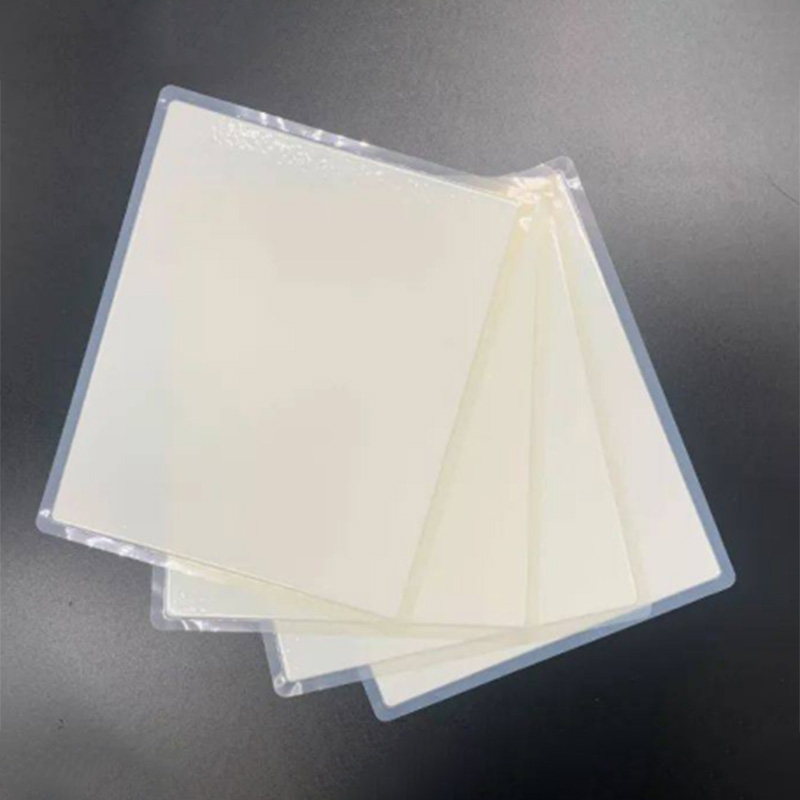
 YH-TFW 36# 14 White Aerogel Flame Retardant PET Packaging Film This VTM-0 film with aerogel insulation and strong peel adhesion suits battery protection layers where standard blown TPU cannot meet compression and heat requirements. View Product →
 The right film is the one that survives your full manufacturing and service environment, not the one with the most impressive tensile number. Use this four-step route when comparing blown TPU film options.
List flexing cycles, pressure, temperature range, and chemical exposure. This tells you whether a general-purpose blown film can work or whether you need a special grade.
Blown film is cost-effective between 0.10 mm and 0.30 mm. Below 0.05 mm, cast film usually gives better yield and optical quality.
Check UL 94, REACH, RoHS, and any industry-specific requirements. For EV and marine use, flame-retardant VTM-0 grades are common.
Run heat-seal, die-cutting, and lamination trials with your actual equipment. Verify the thickness profile and seal strength before committing to volume.
If your project needs a surface coating, printing, or adhesive layer, the film itself is only half the solution. Material suppliers with in-house coating and compounding know how to combine film with adhesives and release liners. Anhui Yanhe's custom material development service supports this kind of tailored product.
For battery-connection assemblies that need a flame-retardant hot-pressing layer, a generic blown TPU film is often replaced by a purpose-made CCS hot-pressing film with VTM-0 behavior.
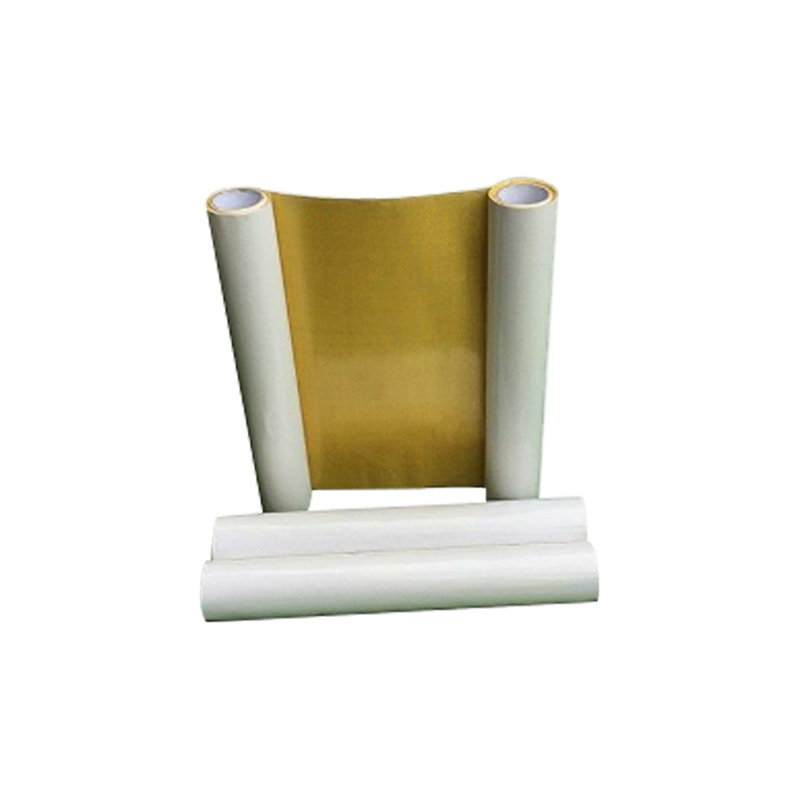
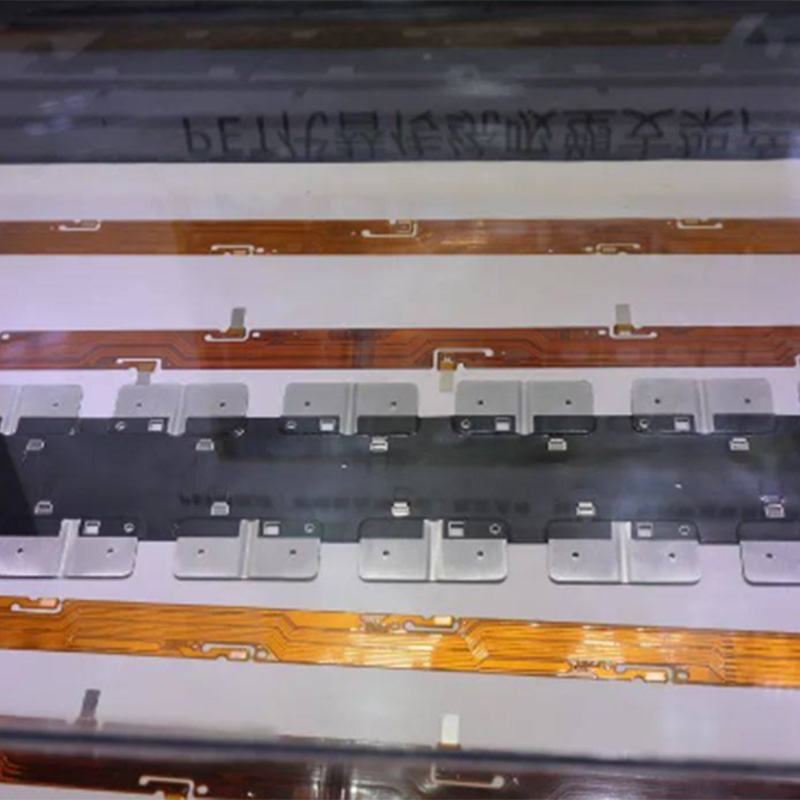 YH-RFW 100# Flame Retardant VTM-0 CCS Hot Pressing Film Designed for battery module fixing, this PET-based hot-pressing film offers strong aluminum peel strength and VTM-0 flame retardancy, making it a reliable alternative for CCS assemblies. View Product →
 Blown TPU films absorb moisture quickly, and even small amounts of moisture can cause bubbles at heat-sealing temperatures. Store rolls in a clean, dry area at 15–30°C with less than 60% RH. Use plastic end caps and keep the original packaging closed until the roll is needed.
Before lamination or heat sealing, dry the film in a dehumidified hopper at 80–100°C for two to four hours if it has been exposed. Check the supplier's recommended moisture limit, usually below 0.02% by weight. Also inspect the roll edges for nicks, because edge defects propagate in slitting and die cutting.
Compliance is a supply-chain issue, not just a film property. A blown TPU film can be formulated with halogen-free flame retardants, but the final component must still pass the required UL 94 or VTM-0 test. For electronics and medical uses, request batch certificates for REACH and RoHS. Working with a manufacturer with an in-house testing lab can provide this documentation faster and with fewer misunderstandings.
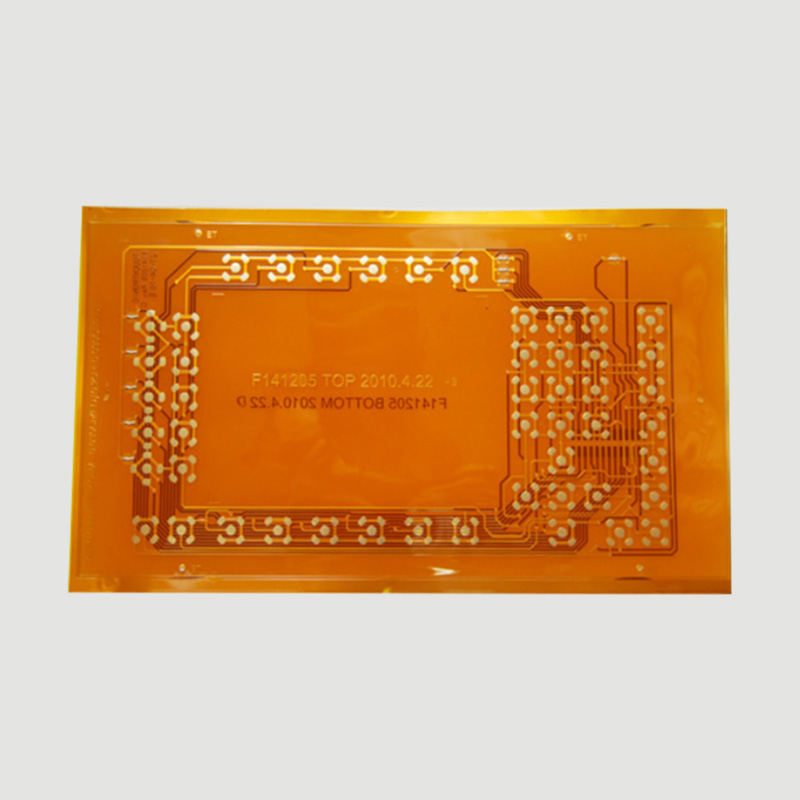
In FPC and high-temperature lamination processes where TPU would melt excessively, a thermosetting polyimide film offers a more stable alternative. It was designed for battery FPC applications below copper foil lamination.
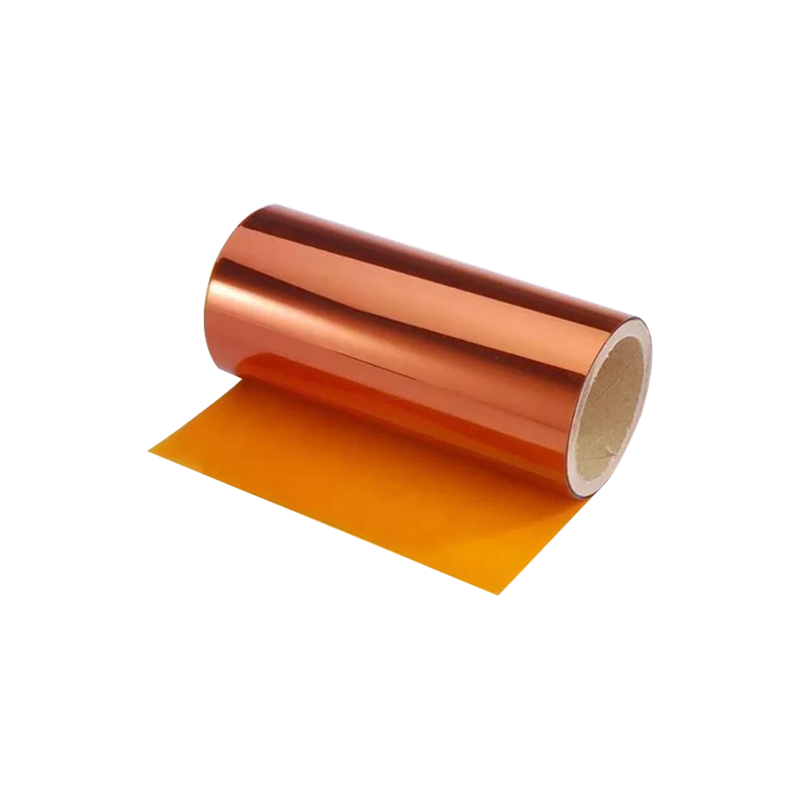
 YH-RFPI 50# VTM-0 PI Thermosetting Film for FPC Lamination A polyimide thermosetting film with VTM-0 rating and strong adhesion, ideal for battery FPC lamination where TPU would melt excessively under high temperatures. View Product →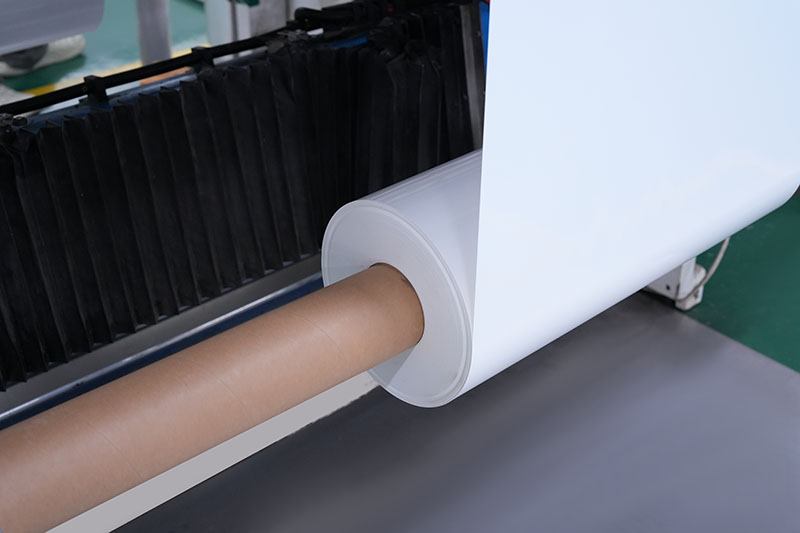
أفلام البولي يوريثين المنفوخة مقابل أفلام البولي يوريثين بالحرارة (TPU): كيفية الاختيار

لفة الطلاء: الطرق والتفاوتات وكيفية اختيار اللفات المغلفة عالية الجودة
لن يتم نشر عنوان بريدك الإلكتروني. يتم وضع علامة على الحقول المطلوبة *
 مصنعو مواد الملصقات ذاتية اللصق*